Choose a clean character shot
Official-art style poses (front or slight three-quarter) work best. You must own the rights to the artwork.
Stylized characters are some of the best inputs for image-to-3D: clean silhouettes, bold colors and smooth surfaces play to the AI’s strengths. This page covers what anime-style art converts well, what gets simplified, and shows a real blind-box style conversion.
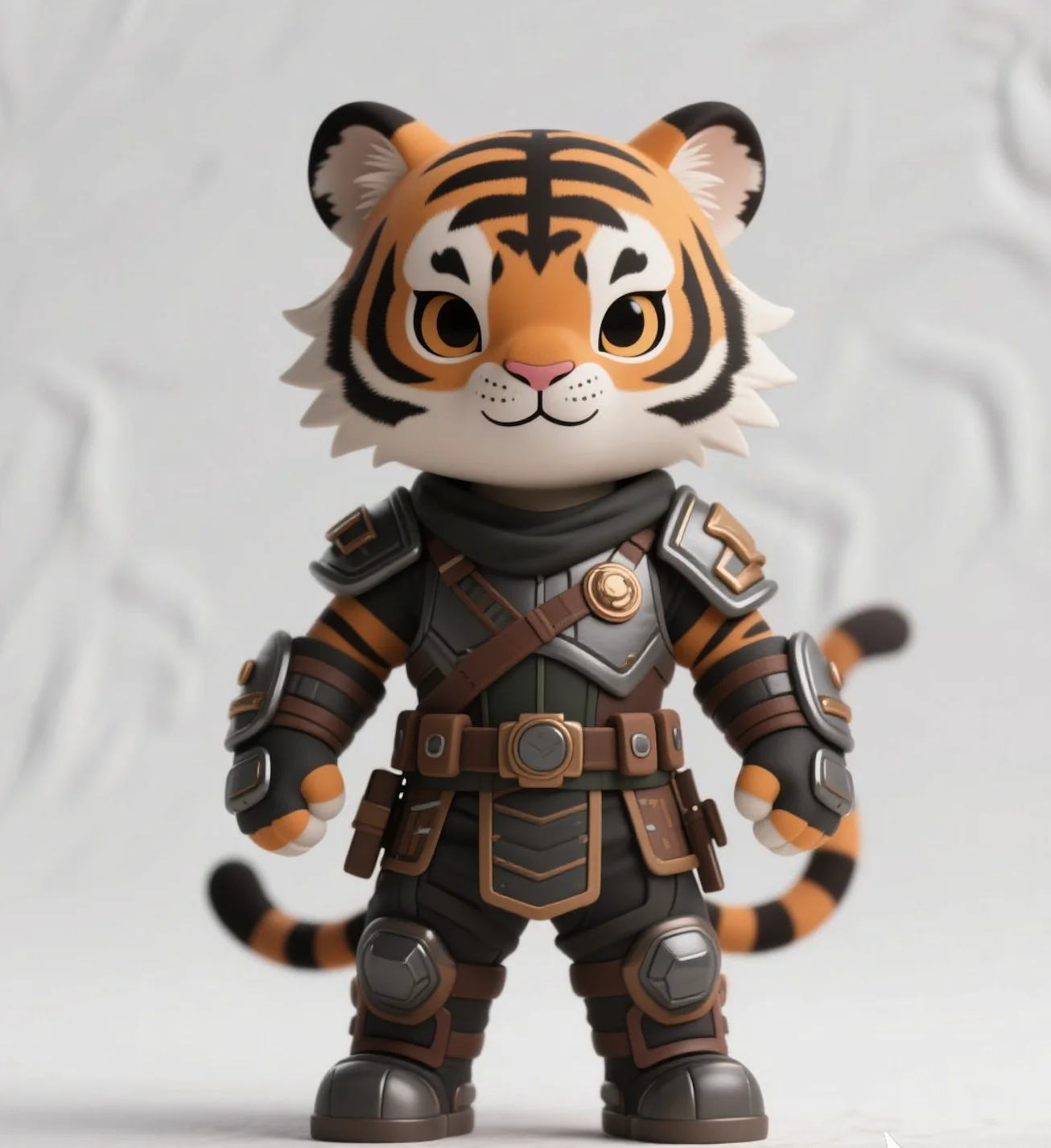
Official-art style poses (front or slight three-quarter) work best. You must own the rights to the artwork.
The AI treats stylized proportions as real geometry — the chibi head-to-body ratio is preserved faithfully.
Rotate the preview and confirm hair spikes, capes and accessories kept their shape.
Use it as a collectible model, a VTuber prop base or convert to STL for a printed mini-figure.
Output is GLB with the full color texture — ideal for digital collectibles. For printed minis, convert to STL; the smooth blind-box style surfaces print especially cleanly.
In our experience yes — smooth, toy-like surfaces and clear silhouettes reconstruct with fewer artifacts than photoreal inputs. The example on this page is exactly that style.
Only if you have the rights. For commercial use, stick to original characters you own or have licensed.
The colors transfer into textures, but the model is lit by real 3D lighting. Cel-shading as a render style is something you would re-apply in Blender or a game engine.
As a static base mesh, yes — you would rig it afterwards. The generator does not produce bones or blendshapes.